By YardHatch · Updated
A raised bed needs a stable planting medium with drainage and organic matter appropriate to the crop. The ideal mix varies by climate and ingredients.
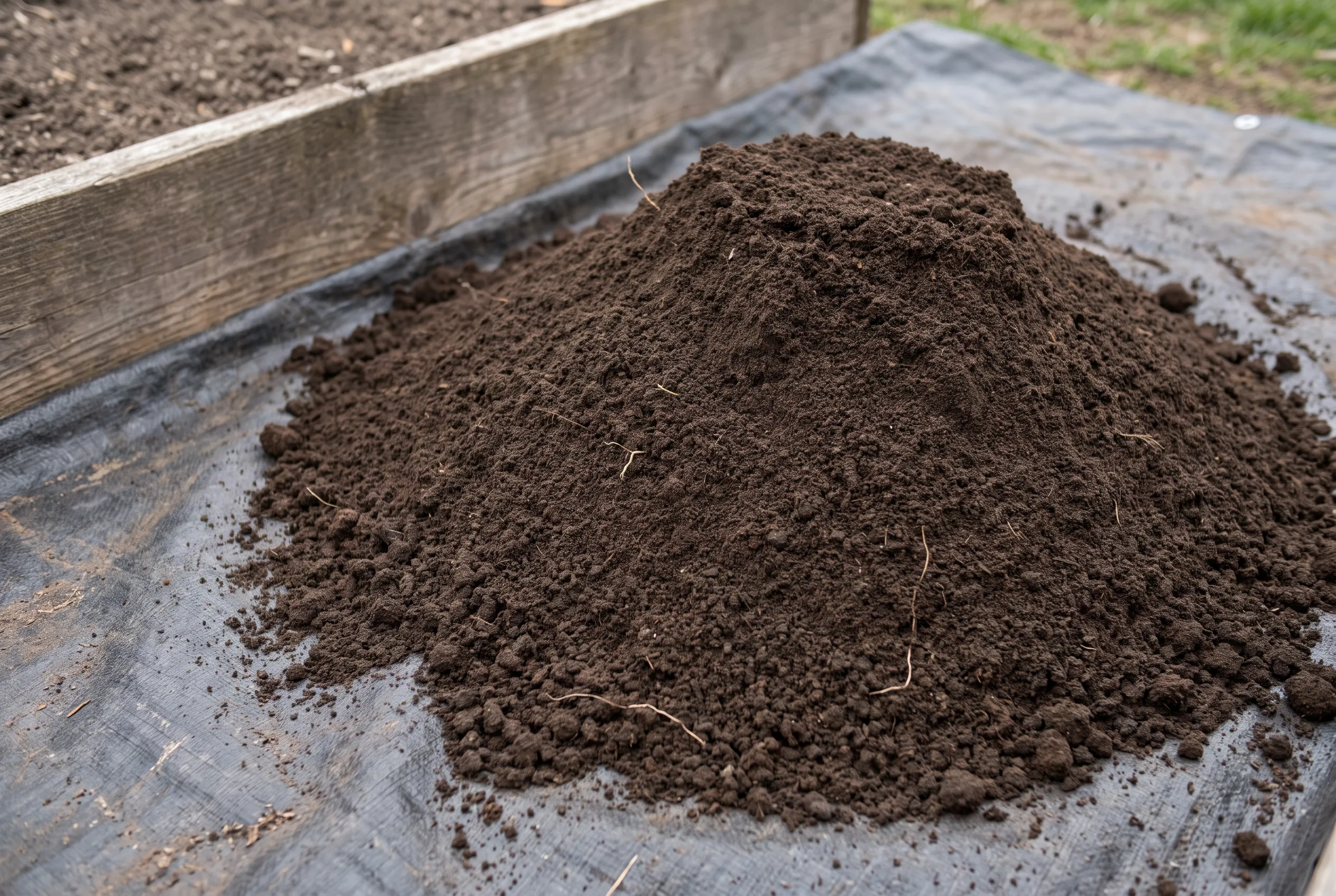
How to plan it
- Measure the inside dimensions and fill height
- Compare screened soil and compost descriptions from local suppliers
- Test or observe the mix before filling every bed
A practical planning example
An 8 × 4 ft bed filled 12 inches deep holds 32 cu ft. If your selected specification calls for a blend, every component is part of that 32 cu ft total; do not add a compost share on top of the full fill volume. Compare delivered blend specifications and record any settlement allowance separately.
Examples explain the decision or calculation. Assumed quantities and rates are not installation specifications.
Turn this into a quantity
Record your site measurements first. Then use a calculator with the depth, application rate, or coverage from the actual material specification.
Open raised bed soil calculatorSource and limits
University of Minnesota Extension: Soil testing for lawns and gardens. Local conditions and manufacturer guidance may call for different materials or installation details.