By YardHatch · Published · Updated
A volume calculation does not automatically tell you how much gravel weighs. Ask each supplier for the loose density of the exact material, then compare complete quotes in matching units.
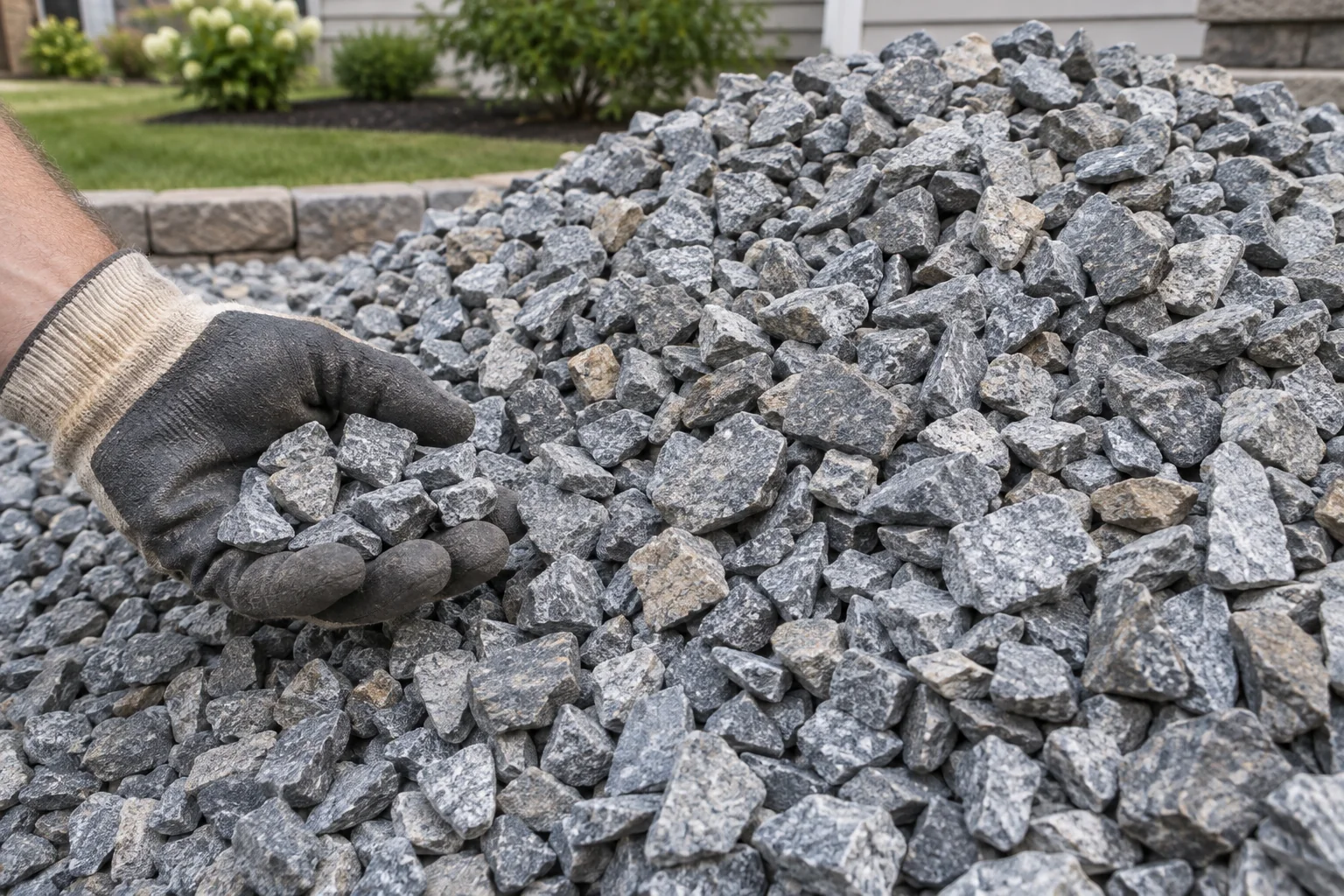
Start with one measured surface
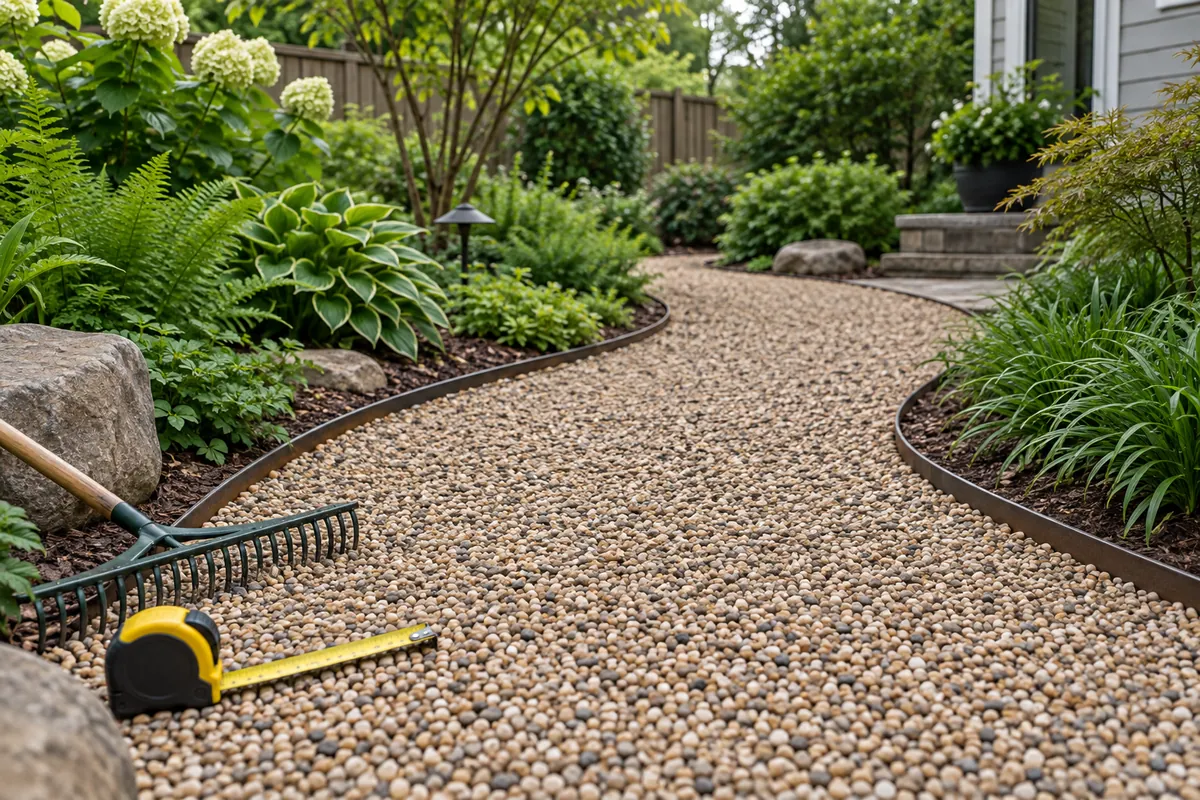
For a modeled 24 by 4 foot path, the surface area is 96 square feet. If the specified surface layer is 2 inches deep, its volume is 96 × 2 ÷ 12 = 16 cubic feet, or about 0.593 cubic yards. This example depth illustrates the math; the surface, base, drainage and edge restraint need their own design.
Keep the surface and base separate
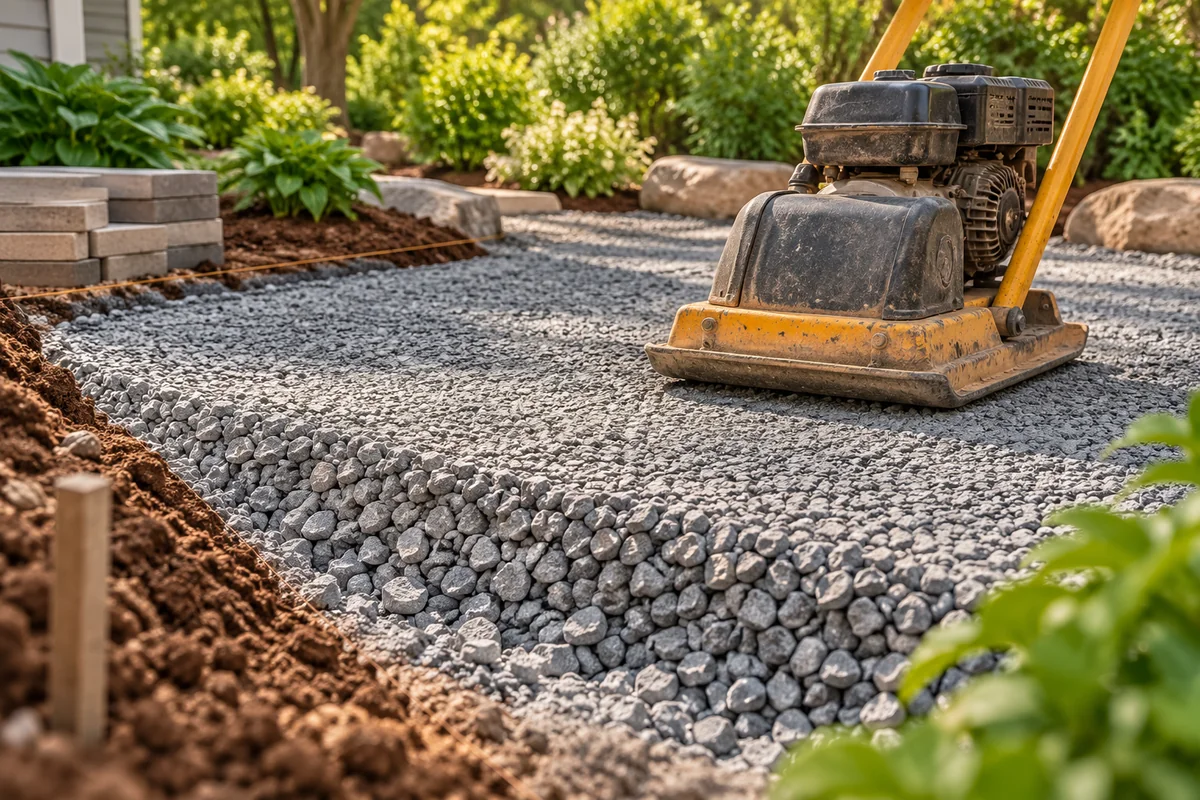
Decorative stone and a specified compacted base are not interchangeable quantities. Calculate each layer using its own depth and material. If a base is specified in compacted units, ask the supplier or installer how much loose material is needed; do not apply an assumed universal conversion factor.
The same modeled path in three units
All rates, package sizes and quantities are hypothetical examples.
| Calculation | Example |
|---|---|
| Path area | 24 × 4 = 96 sq ft |
| Selected illustrative depth | 2 in |
| Loose layer volume | 16 cu ft = 0.593 cu yd |
| Hypothetical density | 2,700 lb per loose cu yd |
| Calculated weight | 1,600 lb = 0.8 US tons |
| Order rounded to half-ton increments | 1 US ton, before minimums |
Use the supplier’s actual density
For arithmetic only, imagine that the supplier quotes 2,700 pounds per loose cubic yard for the product. The modeled 0.593 cubic yards then weighs about 1,600 pounds, or 0.8 US tons of 2,000 pounds each. This is not a standard gravel density: grading and moisture can affect weight, so obtain the figure for the actual product and unit.
Compare actual order increments
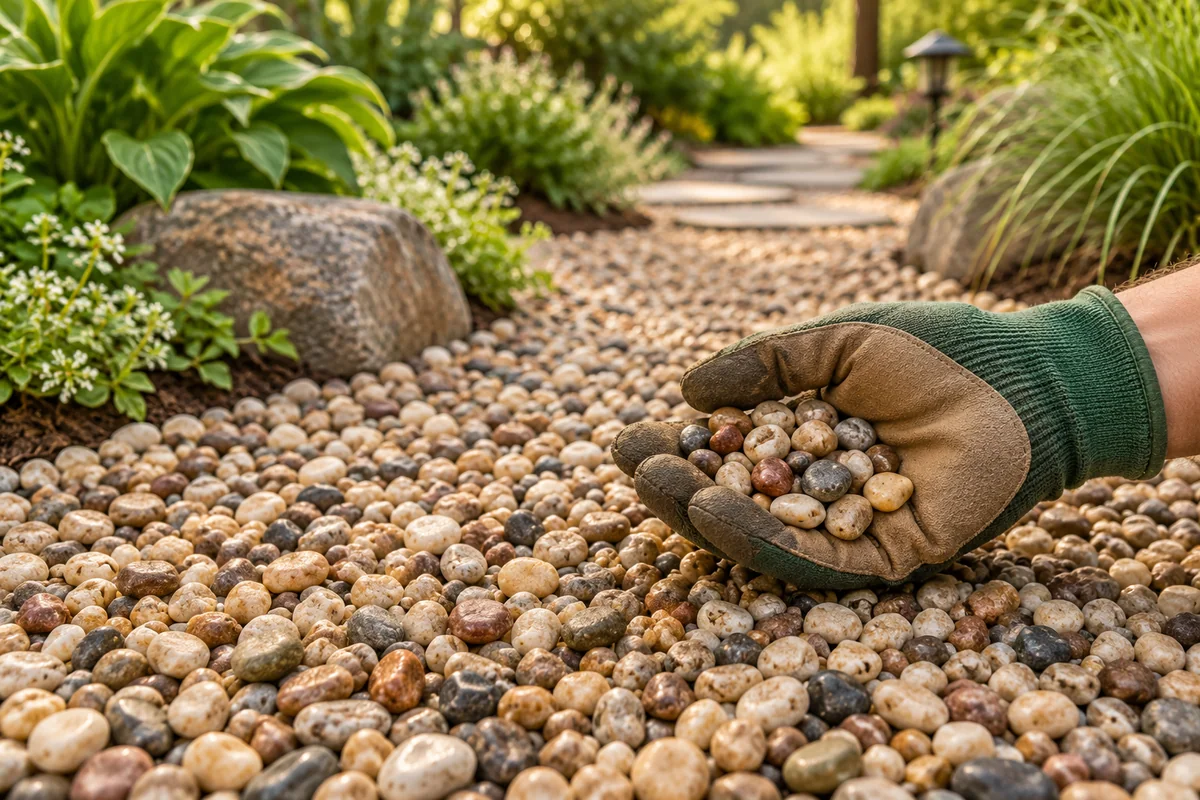
If a hypothetical supplier sells in half-ton increments, 0.8 tons would be rounded up to 1 ton before any minimum order. Record the resulting surplus and check whether the quoted weight is a US short ton, a metric tonne or another unit. Ask for product grade, delivery fees, unloading conditions and tax alongside the price.
Check the delivery plan
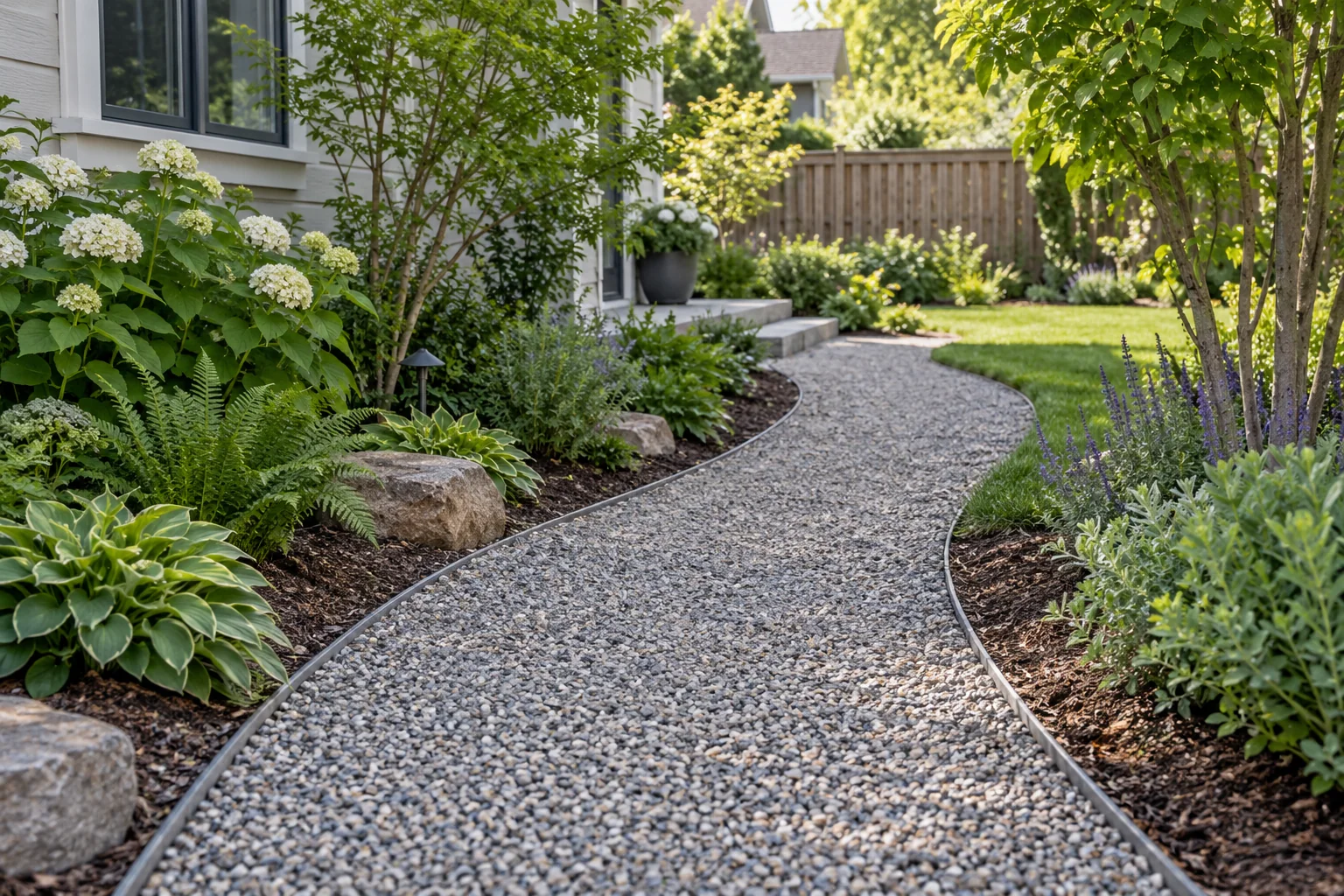
A low unit price may not be the best delivered price if minimum loads or access charges differ. Ask where the truck can safely unload, how the material will be moved, and whether the quote includes spreading. Keep the supplier’s density and date with the estimate so a later product substitution does not quietly change the calculation.
Recognize where the calculation can change
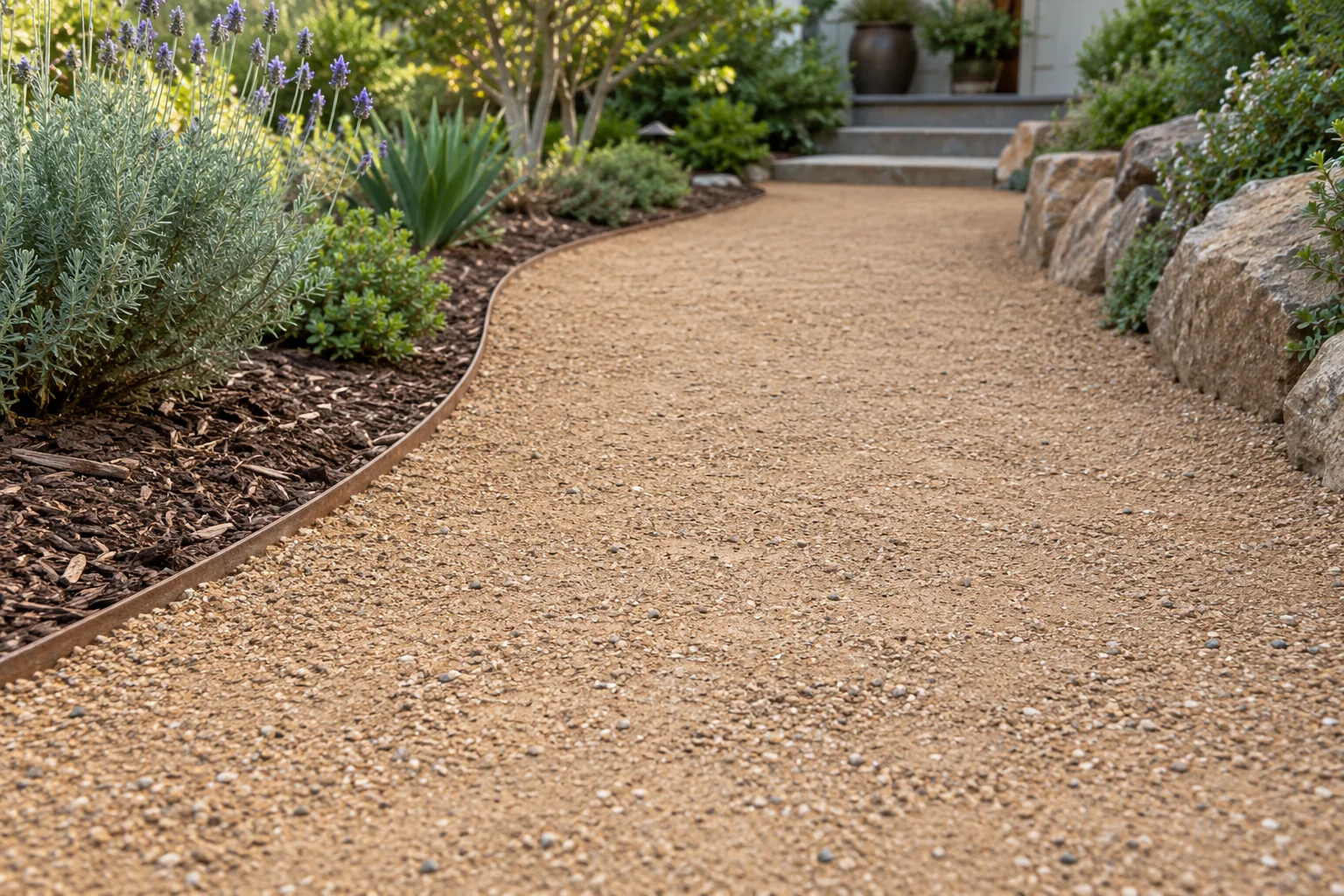
Changing the plan depth changes the volume in direct proportion. For the 96-square-foot example, 1 inch is 8 cubic feet, 2 inches is 16, and 3 inches is 24. These are math comparisons, not a recommendation for path depth. A varying or sloping shape requires a suitable measurement method, and the correct layer and depth must come from the site design. Keep the sketch and dimension assumptions with the quote.
Compare loose delivery with compacted design
A compacted layer describes an installed volume; a supplier may deliver the material loose. The two quantities need not match. Ask the installer what allowance applies to the exact grade and compaction method, then write both units on the order. Never apply the same illustrative percentage to decorative gravel, structural aggregate and every soil condition. A paver base and a gravel path surface have different functions, so the calculation is not an installation specification.
Build a complete cost comparison
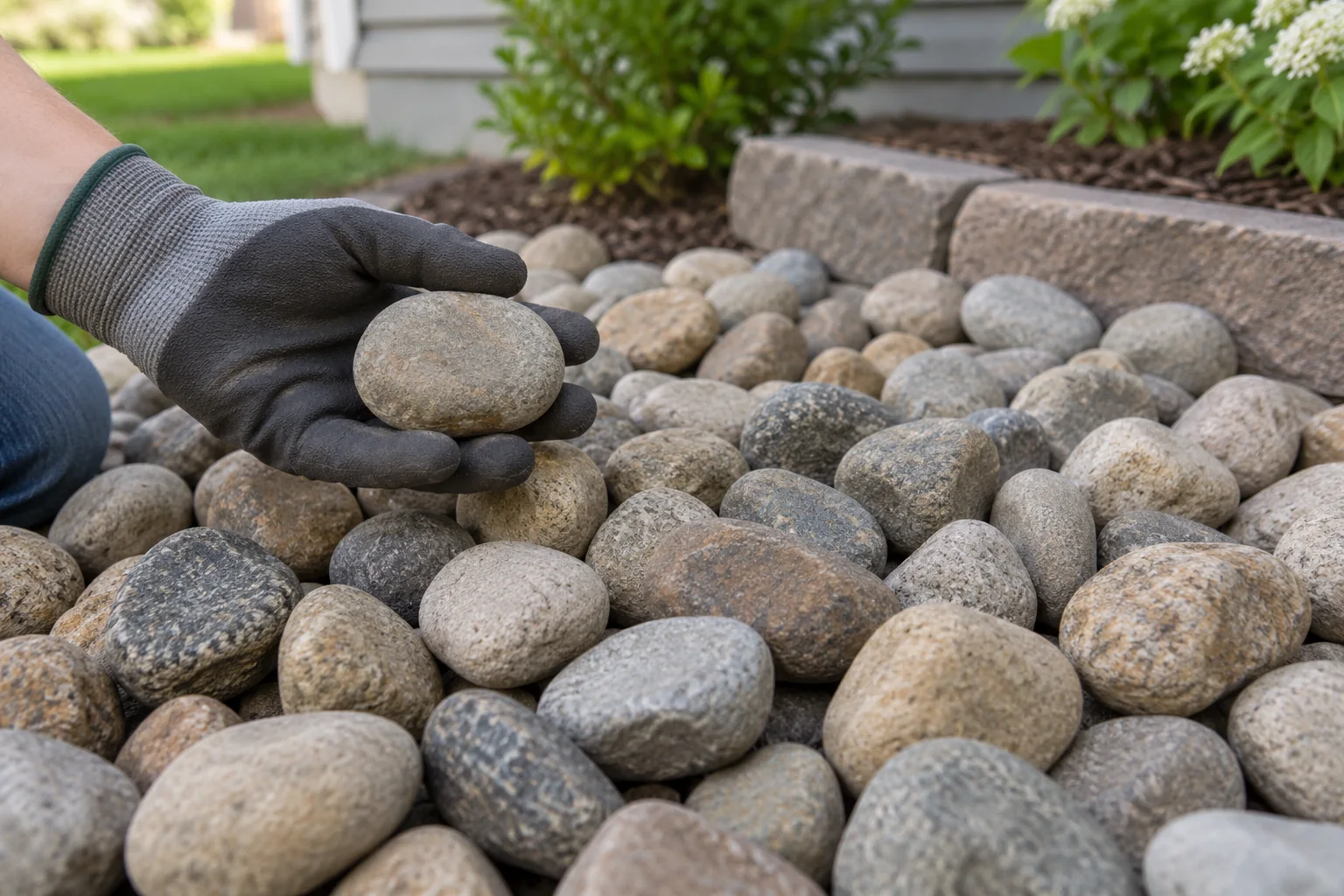
Put the same material grade and quantity convention in both columns. For example, if a hypothetical 1-ton order costs $50 per US ton plus $35 delivery, the subtotal is $85 before tax or other fees. A second offer quoted per cubic yard needs its own actual minimum and delivery charge before comparison. These invented prices are only arithmetic; do not treat them as a market survey. Ask each supplier whether the fee includes placement, whether access changes the rate and what happens if the delivered weight differs.
Before you buy
- Surface and base are separate materials.
- Dimensions, depth and loose/compacted basis are recorded.
- Supplier gives density for the actual product.
- US ton or metric tonne, increment and minimum are explicit.
- Delivery, tax, access and unloading are included.
Questions and answers
How many tons are in a cubic yard of gravel?
There is no single universal value. Multiply cubic yards by the supplier’s pounds per loose cubic yard, then divide by 2,000 for US tons. Confirm the product and moisture basis.
Does one ton always cover the same area?
No. Coverage depends on the material’s density and the depth of the layer. It also depends on whether the quantity is specified loose or compacted.
Why did my supplier quote more than my calculated need?
The supplier may sell in set increments or impose a minimum. Ask them to show the order quantity and charges separately from the estimated installation volume.
Can I substitute rounded pea gravel for a specified base?
Do not assume so. Surface and base can serve different purposes. Check the project specification and an appropriate local professional before changing material.
Make it your own estimate
These are modeled calculations. Actual products, installation conditions and supplier requirements control your order.
Open the related toolContinue with the project or reference · Compare supplier quotes
Sources and method
University of Maryland Extension: Determining area and size · Concrete Masonry & Hardscapes Association: Paver technical guidance
The references provide background, not a tested YardHatch installation or supplier quote. Worked quantities use the stated assumptions and are not product recommendations.