By YardHatch · Published · Updated
Volume changes in direct proportion to depth. Across 500 square feet, every additional half inch adds about 0.772 cubic yards, so checking depth can matter more than refining the last decimal in an area measurement.
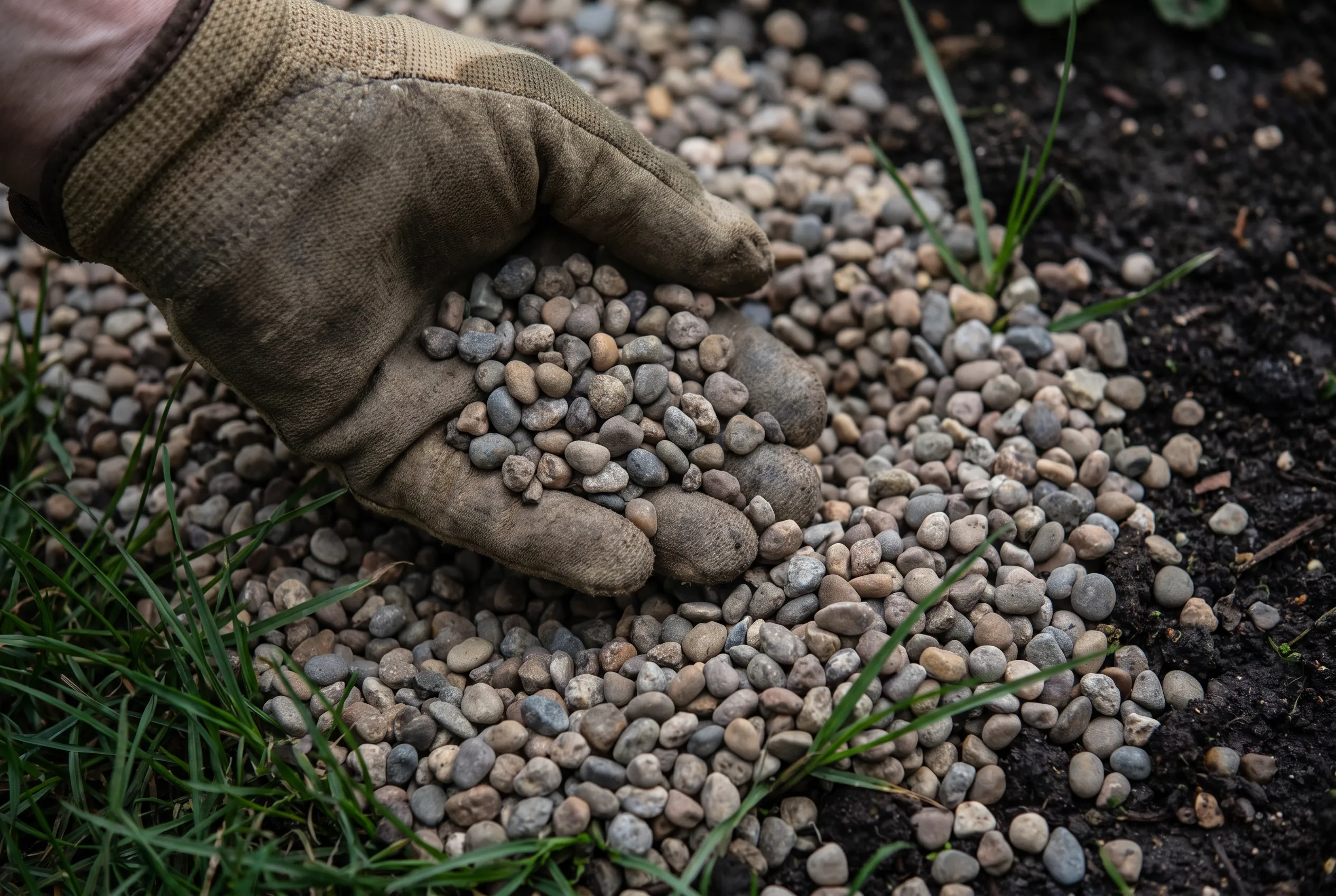
Measure multiple locations
A single spot may miss a hollow or high point. Divide an uneven surface into sections with similar depth and calculate each section independently. A uniform-depth formula is only a useful representation when the entered average matches the site.
Run a sensitivity check
The table keeps the area fixed at 500 sq ft and varies depth. It uses cubic yards = area × inches ÷ 324. The 2.5 to 3.5 inch interval changes volume by 1.543 cubic yards, even though the depth varies by only one inch. These are alternative scenarios, not quantities to add together.
| Depth over 500 sq ft | Calculated yd³ | Whole 2 cu ft bags |
|---|---|---|
| 2.5 in | 3.858 | 53 |
| 3 in | 4.630 | 63 |
| 3.5 in | 5.401 | 73 |
Separate measurement uncertainty from waste
Depth uncertainty, cutting waste, compaction and package rounding describe different effects. Do not apply a blanket allowance to hide all four. Record the measured scenario first, then add only the adjustment that belongs to the material and purchasing unit.
Choose a purchase only after checking
Recheck the places driving the high estimate before ordering the maximum. For structural layers, obtain the required installed thickness from the project specification. For mulch or soil, confirm the intended use and existing layer. Better measurement avoids both shortages and unnecessary surplus.
Make it your own estimate
These are modeled calculations. Actual products, installation conditions and supplier requirements control your order.
Open the related toolContinue with the project or reference · Compare supplier quotes
Sources and method
University of Maryland Extension: Determining the area/size of a practice provides the relevant background guidance. Worked tables are YardHatch arithmetic using the visible assumptions, not source price data or field observations.