By YardHatch · Published · Updated
Estimate sod from the lawn’s measured area, then check the supplier’s actual piece and pallet coverage. Keep cutting allowance, delivery timing and a supplier’s order minimum visible as separate decisions.
Measure only the area receiving sod
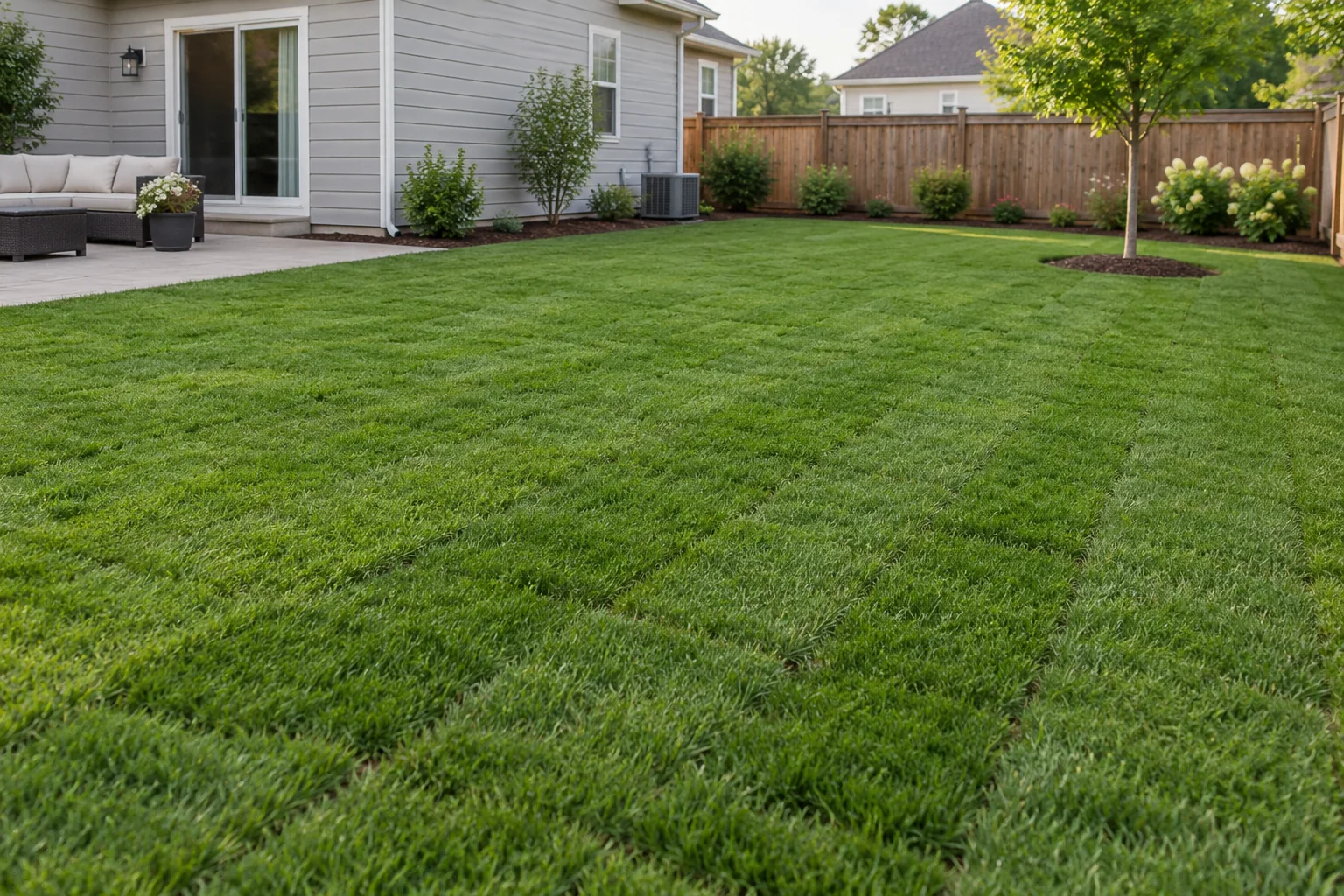
Draw the intended lawn and divide irregular shapes into non-overlapping pieces. A rectangle measures length times width; subtract permanent patios and beds that do not receive sod. For example, a 40 by 30 foot rectangle is 1,200 square feet. If an 80-square-foot path is inside that rectangle, the net area is 1,120 square feet.
Add a clearly stated cutting allowance
A modeled 5% cutting allowance applied to 1,120 square feet adds 56 square feet, giving 1,176 square feet to purchase before packaging. Five percent is only an example: curves, small pieces and the supplier’s advice may change your allowance. Keep the measured area and allowance separate rather than presenting the purchase quantity as a measured area.
Worked example: the pallet decision
All rates, package sizes and quantities are hypothetical examples.
| Order component | Modeled quantity |
|---|---|
| Rectangle | 40 × 30 ft = 1,200 sq ft |
| Path exclusion | 80 sq ft |
| Net lawn | 1,120 sq ft |
| Illustrative allowance, 5% | 56 sq ft |
| Order target | 1,176 sq ft |
| Three 450 sq ft pallets | 1,350 sq ft supplied |
| Surplus above order target | 174 sq ft |
Check each supplier’s selling unit
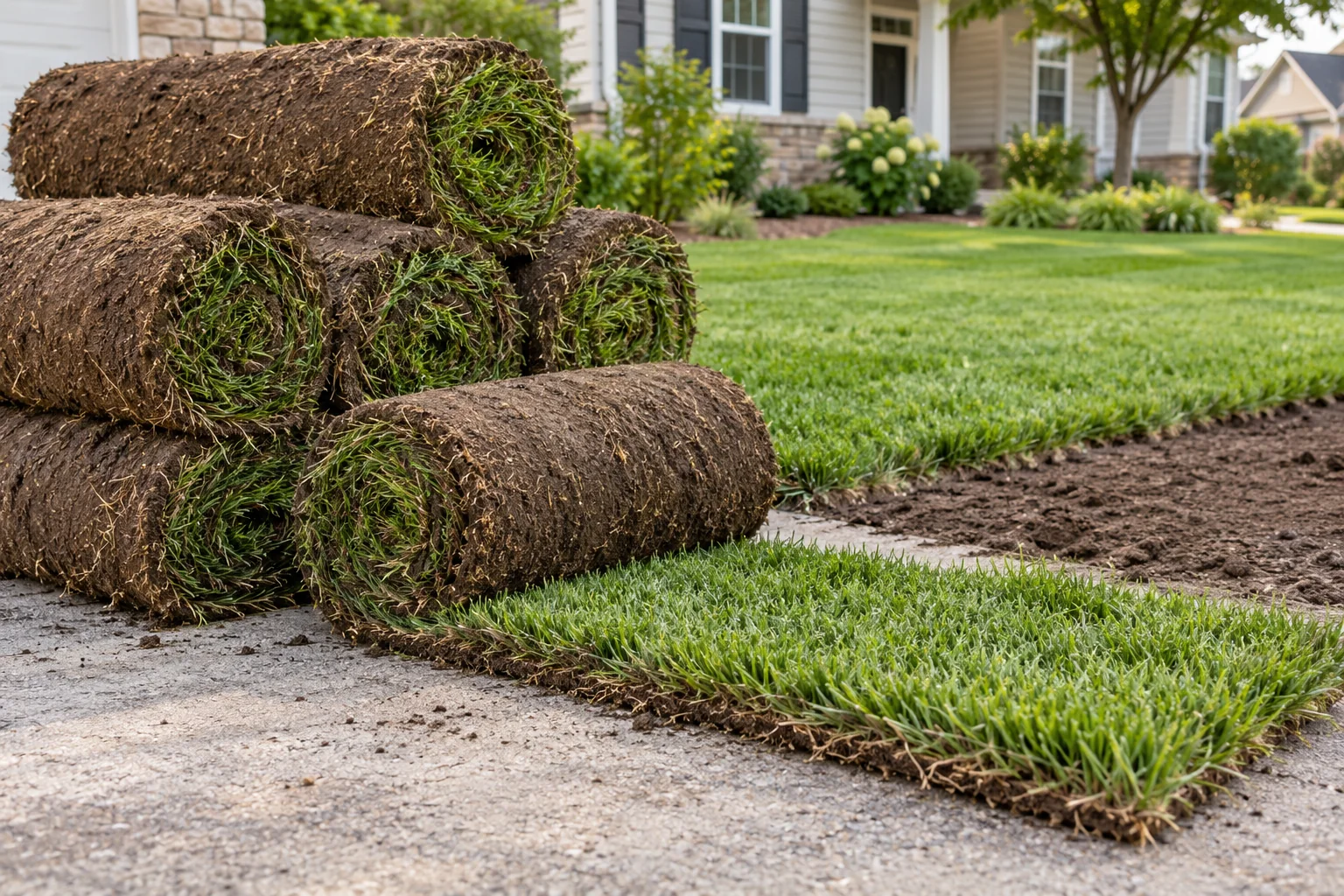
Suppose a supplier says each pallet covers 450 square feet. Divide 1,176 by 450: about 2.61 pallets, so three whole pallets would cover 1,350 square feet. That leaves a modeled 174 square feet above the order target. If partial pallets or individual pieces are available, compare their actual coverage and delivered price. Do not assume every pallet has the same coverage.
Prepare the ground before delivery
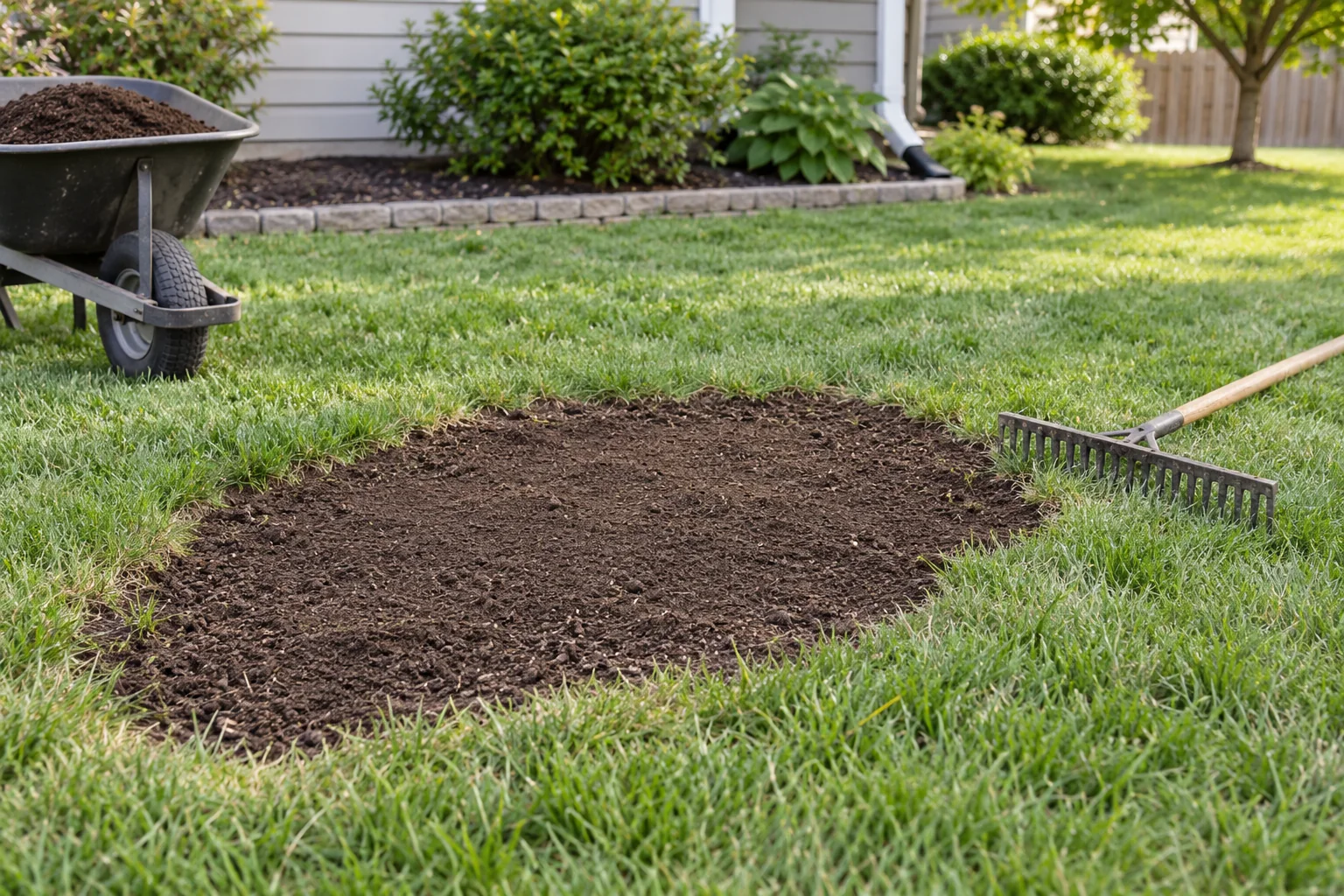
Select grass suited to local climate, sunlight and use. Complete the specified soil preparation, grading and access plan before the delivery slot; take care not to redirect runoff toward buildings or neighboring properties. Sod is perishable, so arrange delivery around a realistic installation schedule and follow the supplier and local extension’s handling advice.
Compare the whole delivered order
Ask for the grass variety, pallet coverage, minimum order, delivery fees, unloading location and any tax or installation charges. Compare the same product and services, not just the price per pallet. Keep the area sketch with your quote and arrange water and installation help before confirming.
Check whether your layout needs a different allowance
A long straight lawn and a narrow curved lawn can have the same area but different cutting patterns. Draw trees, beds and narrow strips on the sketch and ask the supplier whether individual pieces can be purchased. The 5% in the example is not a rule: ask an installer for a project-specific allowance, particularly if the job has many curves or damaged pieces must be replaced. Account for the whole supplier package after you calculate that allowance.
Sequence soil preparation and delivery
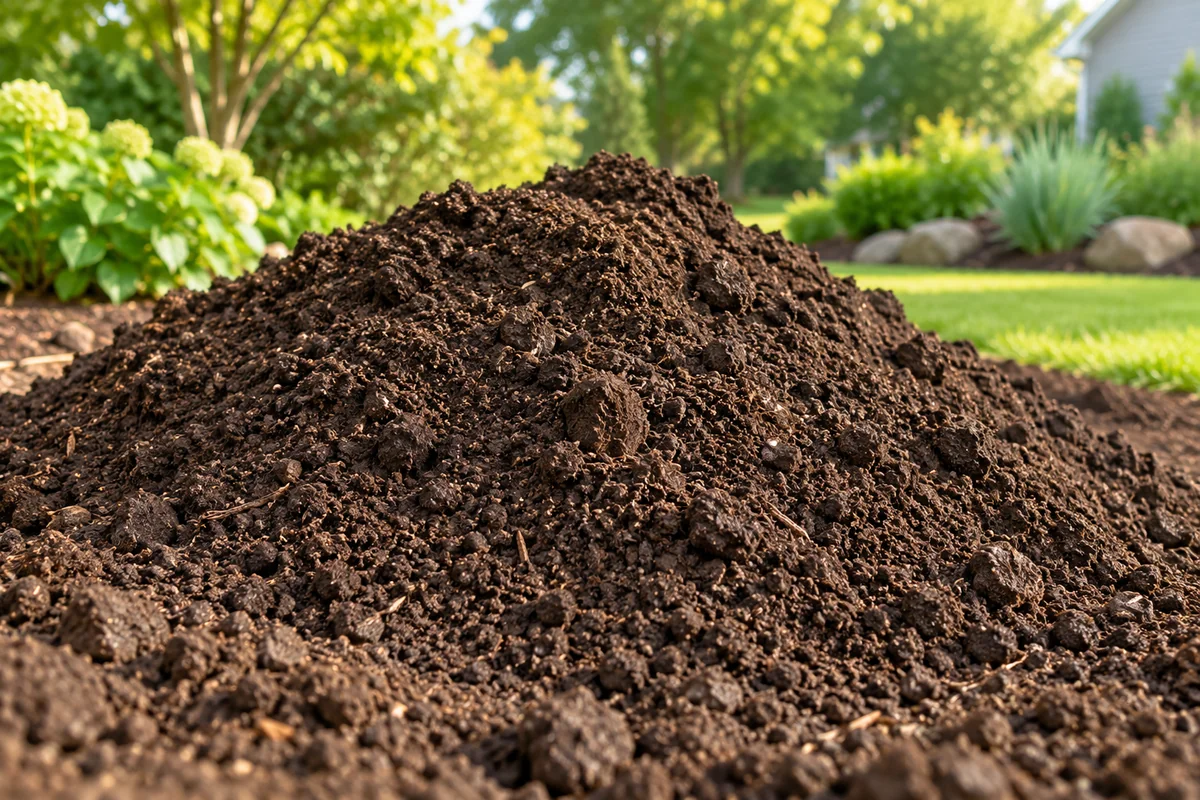
Work backward from delivery day. Choose the grass for the actual climate and sun, arrange a soil test if appropriate, and finish grading and surface preparation before ordering a perishable product. Confirm installation help and a water source. Maryland Extension advises preparing the area in advance and describes lightly moistening the planting surface; follow locally applicable guidance and the supplier’s instructions. Where regrading could affect structures, utilities, protected trees or drainage, seek appropriate local advice first.
Compare installation and material quotes separately
For each offer, record the turf variety, piece or pallet coverage, quantity, delivery minimum, unloading charge, tax and any preparation or installation work. Ask whether old turf removal, soil amendments and cleanup are included. A materials-only quote and an installed quote answer different questions; normalize their scope before comparing the totals. Confirm who is responsible for arranging delivery and watering immediately after installation.
Before you buy
- Outside dimensions and exclusions appear on one sketch.
- Supplier confirms piece and pallet coverage.
- Waste allowance and package surplus are separate lines.
- Site preparation, unloading, installation and water are scheduled.
Questions and answers
Can I order sod for the exact measured area?
Ask the supplier or installer about cutting and packaging. A rectangular layout may still require cuts, and whole pallets can create surplus. The article’s percentage is an example, not a universal requirement.
How many rolls are on a pallet?
There is no single safe assumption. Ask the supplier for piece dimensions, pieces per pallet and total coverage, then use those actual units.
Can I receive sod before the area is ready?
Sod is perishable. Coordinate delivery with preparation and installation and follow the seller’s handling instructions. Delays can affect condition, so do not order solely around a convenient truck date.
Is leftover sod the same as wasted money?
Not necessarily: packaging may require more area than you need. Ask about partial pallets or another suitable use before ordering, and compare the complete delivered price.
Make it your own estimate
These are modeled calculations. Actual products, installation conditions and supplier requirements control your order.
Open the related toolContinue with the project or reference · Compare supplier quotes
Sources and method
University of Maryland Extension: Starting a new lawn · University of Minnesota Extension: Seeding and sodding home lawns
The references provide background, not a tested YardHatch installation or supplier quote. Worked quantities use the stated assumptions and are not product recommendations.